

Understanding Why Cheap Powersports Batteries Die Prematurely
Posted by G. Nicholas on

Why Cheap Powersports Batteries Die After One Season: The Hidden Cost of Subpar Power
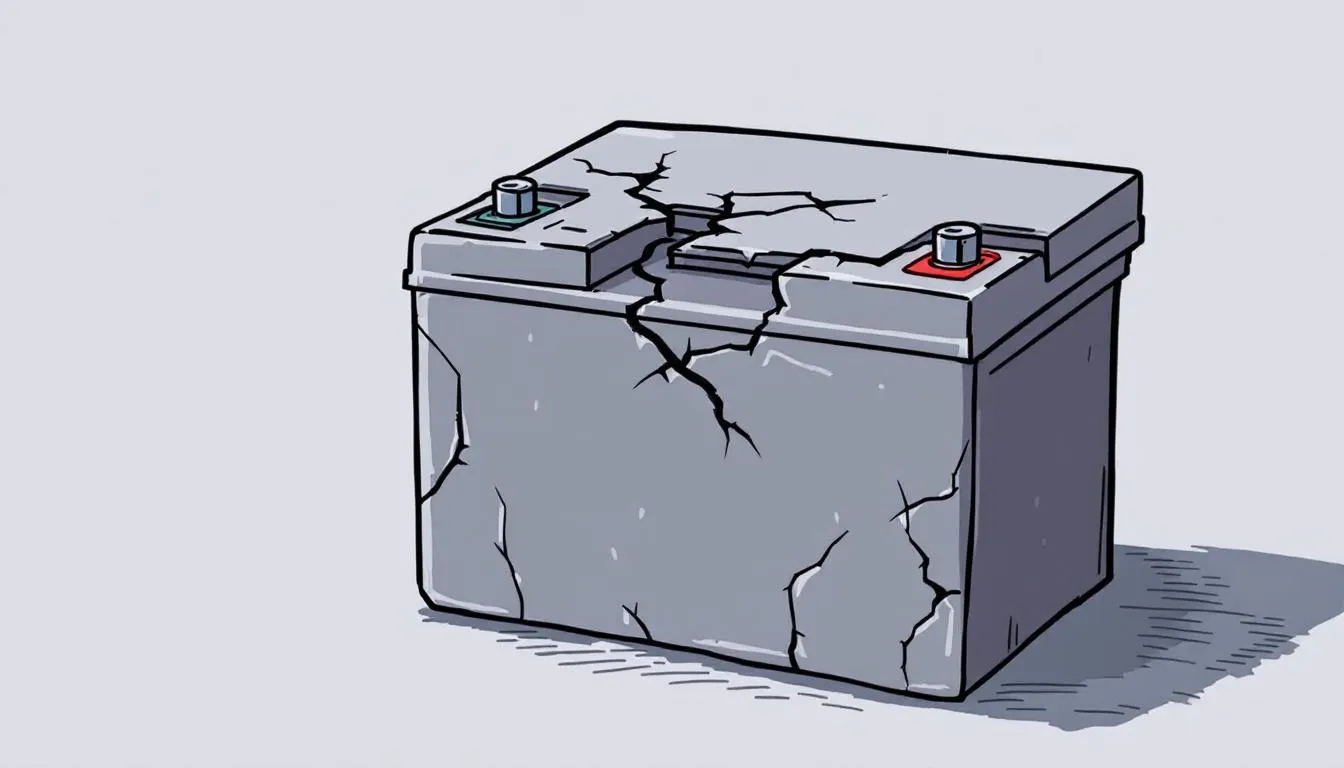
If you’re a powersports enthusiast, you know the frustration: that “bargain” battery you bought last spring is already dead by the first frost, leaving you stranded and spending more money on replacements. The simple truth is that when it comes to batteries for your ATV, snowmobile, motorcycle, or UTV, not all power is created equal. Not all motorcycle batteries are suitable for every bike—differences in size, material, and performance requirements mean you need to select the right battery for your specific vehicle and usage.
The difference between a battery that lasts one season and one that lasts a decade isn’t the label—it’s the internal plate health and the care taken before it ever reaches your hands. That’s why it’s important to choose a high-quality replacement battery from a reputable brand to ensure durability and long-term performance.
Here’s an in-depth look at why cheap batteries fail prematurely and how the proprietary technology behind the BRS Super Battery offers a revolutionary, long-lasting solution. Instead of trapping you in a cycle of expensive, inconvenient replacements, remember that a dead or faulty battery should be replaced with a new battery to restore your vehicle’s performance and electrical system functionality. It’s important to know the difference between dead batteries and a bad battery: dead batteries can sometimes be revived with a jump start or charger, but a bad battery—especially one showing visible signs like leaking fluid, swelling, or corrosion—cannot be recharged or revived and must be replaced for safety and reliability.
Cheap batteries often fail because of poor internal construction, low-quality materials, or lack of proper pre-shipping care. Visible signs such as leaking fluid can indicate a bad battery that cannot be revived, signaling the need for immediate replacement.
Introduction to Powersports Batteries
A powersports battery is much more than just a box that starts your engine—it’s the heart of your motorcycle’s electrical system, delivering the power needed to ignite the engine and keep all your electrical components running smoothly. From firing up the ignition to powering lights, gauges, and accessories, motorcycle batteries are essential for reliable performance on every ride.
Unfortunately, a dead powersports battery can leave you stranded at the worst possible moment. That’s why understanding how batteries work, and what factors can lead to a failing battery, is crucial for every rider. Regular maintenance, such as checking connections and maintaining the battery's charge—especially during infrequent use—can help prevent unexpected breakdowns. Proper storage—especially during off-season months—also plays a big role in extending your battery’s life, as does protecting it from extreme temperatures that can sap its power or cause internal damage. Regular charging is necessary to maintain the battery's life, particularly if the motorcycle is used infrequently. Charging the battery regularly helps prevent deterioration and extends the battery's life.
By staying proactive with your battery maintenance and storage, you can avoid the hassle and expense of frequent replacements and keep your bike or sled ready to ride whenever you are.
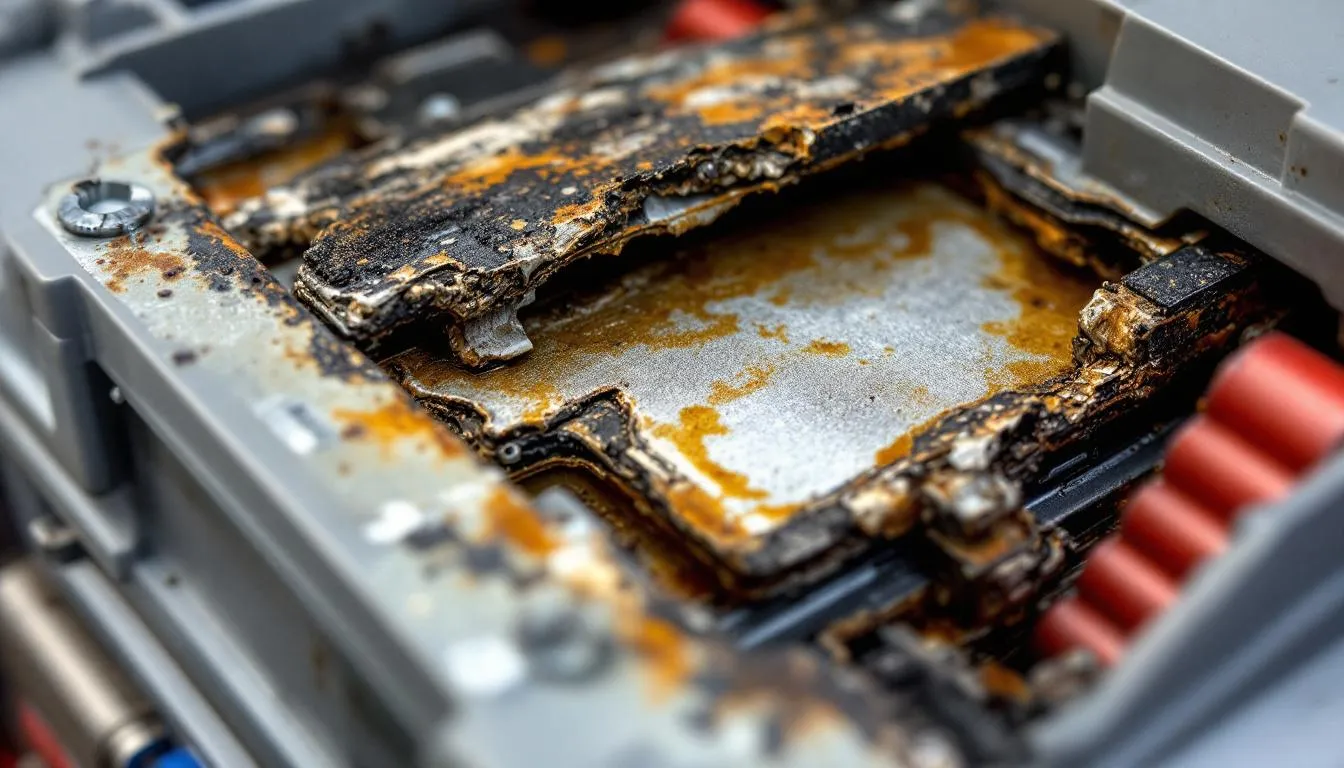
The Silent Killer: Damaged Powersports Battery Plates from Day One
You may not know this, but the problem with most batteries on the market is that the internal plates are often “fried” or damaged before you even install them. Identifying the root cause of premature battery failure is crucial to avoid ongoing issues and ensure long-term reliability. It doesn’t matter if you buy them from your local auto parts store or a major online retailer—you are likely buying a “low performing” battery.
Most stores, retailers, and distributors unknowingly sabotage the battery’s lifespan through four common, cost-cutting practices:
-
Fast Drain: Rushing the process of filling the battery with electrolyte.
-
Poor Absorption: Failing to allow the electrolyte to fully soak into the glass mat plates completely.
-
Incomplete Plate Formation: Not fully forming the virgin plates, which compromises the battery’s ultimate capacity.
-
The “Fast Charge” Death Knell: **** “Fast charging” the battery with high current. This rapid charging process damages the virgin plates, introducing performance issues and limiting lifespan from the moment the battery is activated.
These shortcuts not only reduce immediate performance but also significantly shorten the battery's lifespan, making it more susceptible to early failure and frequent replacements.
This negligence is the reason why most batteries don’t last and have subpar performance. They are compromised before the first ignition, trapping you in a cycle of expensive, inconvenient replacements. As a result, you end up replacing these batteries much sooner than expected.
Environmental Factors: How Weather and Storage Impact Battery Life
The environment your motorcycle battery lives in has a huge impact on its lifespan and reliability. Extreme temperatures are one of the biggest threats to battery health. High temperatures can cause battery fluid to evaporate, which reduces the battery’s ability to hold a charge and can lead to internal damage. On the flip side, cold weather slows down the chemical reactions inside the battery, making it harder for your engine to start—especially if the battery isn’t fully charged.
Proper storage is key to protecting your motorcycle battery from these environmental hazards. Keeping the battery in a cool, dry place when your motorcycle isn’t in use helps minimize the effects of both high and low temperatures. Using a trickle charger or battery tender during storage is a smart way to keep the battery charged and prevent parasitic drain, which can slowly sap power even when the bike is off. Parasitic draw from aftermarket accessories or faulty wiring can continue to draw power from the battery even when your motorcycle is turned off, eventually leading to a dead motorcycle battery if not managed. This is especially important if your motorcycle sits for extended periods, as a battery left to discharge can suffer permanent capacity loss.
By taking steps to shield your battery from extreme temperatures and using the right charging tools, you can help ensure your motorcycle is always ready to start, no matter the season.
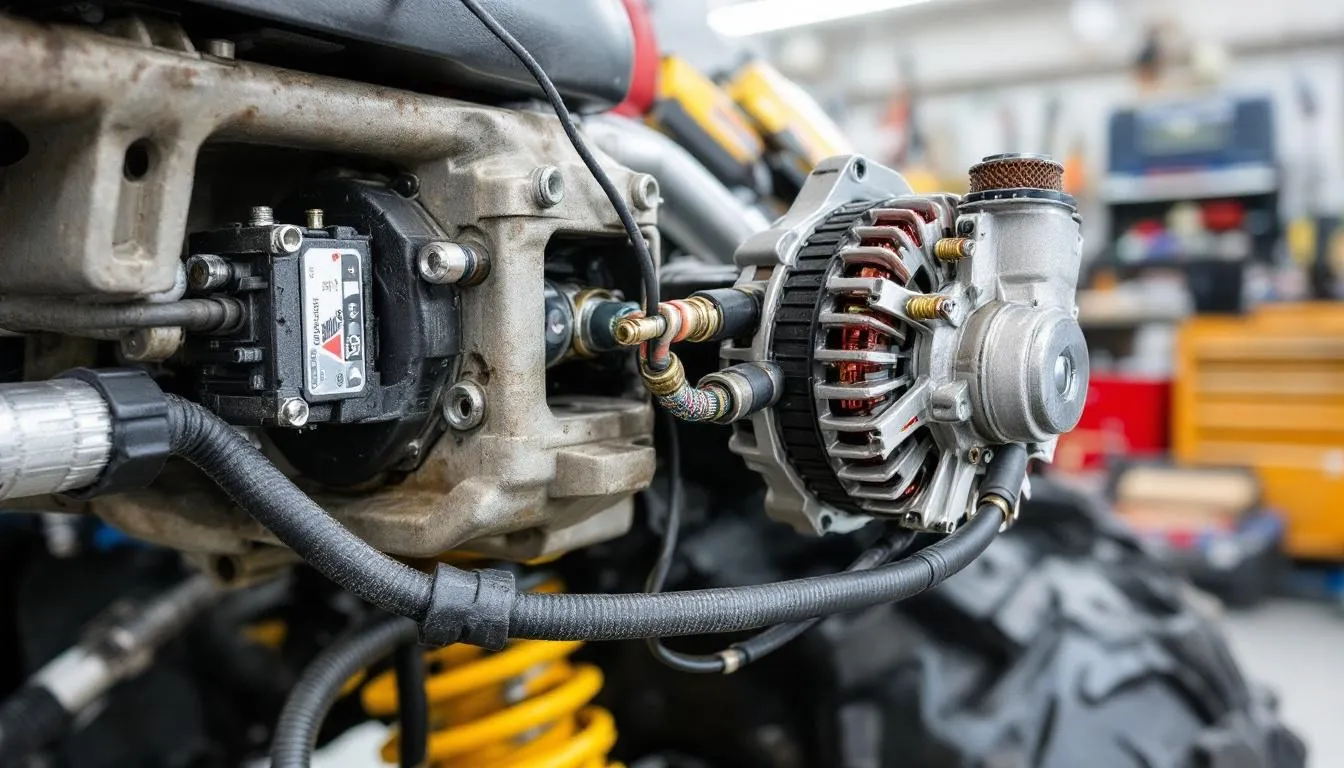
Charging System Issues: The Overlooked Culprit Behind Early Battery Death
When your powersports battery keeps dying after just a few short rides, the real problem might not be the battery itself—it could be your charging system. The charging system, made up of the alternator, voltage regulator, and rectifier, is responsible for keeping your battery charged while you ride. If any part of this system fails, your battery won’t recharge properly, leaving you with a dead battery and a bike that won’t start.
Common signs of a faulty charging system include dim lights, slow cranking, or finding your battery dead after short trips—even if you’ve recently replaced it. These symptoms are often mistaken for a weak battery, but the root cause is that the battery isn’t getting enough power from the charging system to stay fully charged.
To get to the bottom of charging system issues, a load test can help determine if your alternator is working as it should. Regular maintenance, like checking the voltage regulator and rectifier, is essential to catch problems early and keep your motorcycle’s battery healthy. By staying on top of your charging system maintenance, you can prevent premature battery failure and ensure your bike is always ready to hit the road.
The Impact of Bad Connections: Small Faults, Big Consequences
Even the best motorcycle battery can’t deliver reliable power if it’s held back by bad connections. Corroded terminals and loose battery cables are small faults that can have big consequences, causing your battery to drain quickly or fail to charge at all. Corrosion acts as a barrier, preventing the battery from sending or receiving enough power, while loose connections can interrupt the flow of electricity and lead to a weak battery or unexpected breakdowns.
Regular inspections are key—take a close look at your battery terminals and cables, and use a wire brush to clean away any corrosion you find. Tighten any loose connections to make sure your battery can function properly. To further protect your battery’s charge, consider using a trickle charger or battery tender, especially if your motorcycle sits unused for extended periods. These devices help prevent parasitic drain and keep the battery fully charged, extending its lifespan.
By making these simple maintenance steps part of your routine, you can avoid the headaches caused by bad connections and keep your motorcycle’s electrical system running smoothly.
Blown Fuse and Battery Failure: The Hidden Link
A blown fuse might seem like a minor electrical hiccup, but it can be the hidden link behind a failing motorcycle battery. When a fuse blows, it can disrupt the charging system or other parts of the electrical system, preventing your battery from charging correctly or causing it to drain faster than normal. In some cases, a blown fuse can even lead to overcharging or undercharging, both of which can significantly reduce your battery’s lifespan.
To catch this issue before it leads to a dead battery, make regular inspections of your motorcycle’s fuse box part of your maintenance routine. Look for any signs of damage or wear, and replace any blown fuses with new ones of the correct rating. This simple step can restore your charging system and help prevent unexpected breakdowns.
By understanding the connection between blown fuses and battery failure, and by keeping up with regular inspections and maintenance, you can protect your motorcycle battery and ensure your bike is always ready for your next adventure.
Battery Maintenance and Testing: Simple Steps to Prolong Performance
Keeping your motorcycle battery in top shape doesn’t have to be complicated. Regular maintenance and testing are the best ways to extend your battery’s lifespan and avoid unexpected breakdowns. Start by inspecting the battery terminals for corrosion—if you spot any, a quick scrub with a wire brush can restore a clean connection and prevent power loss. Checking electrolyte levels (for batteries that aren’t sealed) is also important; low levels can signal a problem and lead to battery failure if not addressed.
Performing a load test is a straightforward way to assess your battery’s health. This test measures the battery’s ability to hold and deliver power under stress, helping you determine if it’s time for a replacement. Don’t forget to check your voltage regulator as well, since overcharging can damage even the best batteries.
For motorcycles that aren’t ridden daily, using a battery tender or trickle charger is a simple way to keep the battery fully charged and prevent sulfation—a common cause of battery problems. It’s important to charge the battery regularly to maintain your motorcycle’s battery health and performance. By making these maintenance steps part of your routine, you’ll maximize your battery’s performance and minimize the risk of being caught off guard by a dead battery.
Signs of a Failing Battery: What to Watch For Before It’s Too Late
Catching the early warning signs of a weak or failing battery can save you from the frustration of unexpected breakdowns. One of the first things you might notice is dim lights—if your headlight or dashboard lights seem weaker than usual, it could be a sign your battery isn’t holding enough power. Slow cranking when you try to start the engine, or needing frequent jump starts, are a clear indication of battery issues.
A failing battery can also cause issues with your motorcycle’s electrical system, leading to problems with accessories like phone chargers or GPS units. In cold weather, these symptoms often become more pronounced, as a weak battery has an even harder time delivering the power needed to start the engine.
If you notice any of these signs, don’t wait until you’re stranded—replace your battery before it fails completely. Staying alert to these symptoms and acting quickly can keep your motorcycle running smoothly and help you avoid the hassle of being stuck with a dead battery.
The Real Secret: BRS Super Battery's Breakthrough Technology
BRS Battery Ltd. was founded by battery expert Andy Mainville in 2003, specializing in rejuvenating complex locomotive and industrial batteries.1 With this extensive knowledge of diagnosing and fixing the worst battery issues, the BRS Super Battery was born—the world’s first High Performance Super Charged Powersports Battery. Many modern motorcycles require advanced battery technologies like AGM or lithium-ion to meet their specific electrical demands, and the BRS Super Battery is designed to deliver reliable performance for these needs. Its advanced technology ensures consistent power delivery to the motorcycle's electrical system, helping to maintain the battery's charge and prevent electrical issues.
The secret to its superiority is the patented BRS Supercharger Technology combined with a specialized, rigorous preparation process that is unique in the industry. The BRS Super Battery offers quality and longevity that rivals leading brands such as Yuasa batteries, making it a top choice for modern motorcycles seeking dependable, long-lasting power.
1. Patented Supercharger Technology: Maximizing Cranking Power
The real magic is in our breakthrough supercharger technology and proprietary high-frequency algorithms.
-
This system delivers a specific high frequency to the virgin plates.
-
This process creates “craters” that dramatically increase the surface area of the plates.2
-
The result is a major increase in Cranking Capacity (Amperage), leading to a battery with unparalleled lifespan and performance.
In Step 4 of our process, we perform thorough battery testing to measure the voltage and ensure only batteries with sufficient power left are approved for installation.
As a real-world example, a standard BRS14-BS rated for 200CCA saw its rated capacity increase by 62 CCA after our proprietary super charging process, achieving a 109% rated capacity value.
2. The 5-Step Process: A Commitment to Quality
While most retailers cut corners, every BRS Super Battery undergoes a specialized 5-step activation process to ensure maximum quality, performance, and lifespan:3
|
Step |
Action |
Benefit |
|---|---|---|
|
Step 1 |
Fill battery to the correct levels with 1.265 SG Electrolyte. |
Ensures perfect chemical balance. |
|
Step 2 |
Allow extended time for Glass Mat plates to absorb electrolytes properly. |
Prevents dry spots and premature plate damage. |
|
Step 3 |
Charge battery at 900mAh Amps until the virgin plates are fully formed. Charging the battery slowly at this stage is essential to ensure it can recharge fully and recharge properly, which maximizes long-term performance and battery health. |
Crucially avoids “fast charging” damage and maximizes plate health. |
|
Step 4 |
Let sit for an extended period of time and record voltage. Must maintain 12.6V to 12.8V to pass. |
Guarantees a stable, fully formed, and high-quality product. |
|
Step 5 |
If it passes the voltage test, it’s ready to be installed. |
You receive a guaranteed high-performance battery. |
Yes, this process takes more time and effort, but it’s what transforms a standard AGM battery into a Super Battery, delivering a product that arrives 100% charged and ready to go.
Stop Wasting Money: The Value of Battery Life Longevity
As BRS President Andy Mainville notes, “I created the BRS Super Battery for powersports riders like us because I was tired of wasting money on replacement batteries… I wanted a high performance battery that lasts.” Proper maintenance and choosing a high-quality battery are essential steps to extend your battery's life and ensure reliable performance.
While some people choose a battery purely by its sticker price, that low-cost battery often becomes the most expensive one you own when you factor in replacement costs every season. Poor maintenance and frequent replacements can significantly reduce your battery's charge and overall lifespan.

BRS Super Batteries are built to last 8 to 10+ years (with proper maintenance using a Smart Charger), allowing you to save up to $400 on replacement batteries over the life of your machine.
When you upgrade to the BRS Super Battery, you get:
-
✅ High Performance Power: Your ATV, snowmobile, or motorcycle will start and run strong across rough terrain, muddy swamps, and extremely cold or hot weather. A reliable battery ensures your vehicle can function properly in all conditions.
-
✅ Guaranteed Quality: Super Charged for performance, with features like shock and vibration resistance, deep discharge protection, and a professional sealed design.
-
✅ Peace of Mind: Backed by a Worry-Free, Full Replacement Warranty with NO PRORATION. If your battery fails, we replace it at no additional cost to you.
Extreme temperatures and poor maintenance can negatively impact battery performance and longevity, and sometimes the only solution is to upgrade to a high-quality battery.
Tired of buying junk batteries? Experience the power and longevity engineered by true battery experts. Upgrade to a BRS Super Battery today and enjoy years of worry-free riding.


