

Why Batteries Don't Start in Cold Weather & How to Fix Them
Posted by G. Nicholas on

Why Batteries Don't Start in Cold Weather (And How to Fix It)
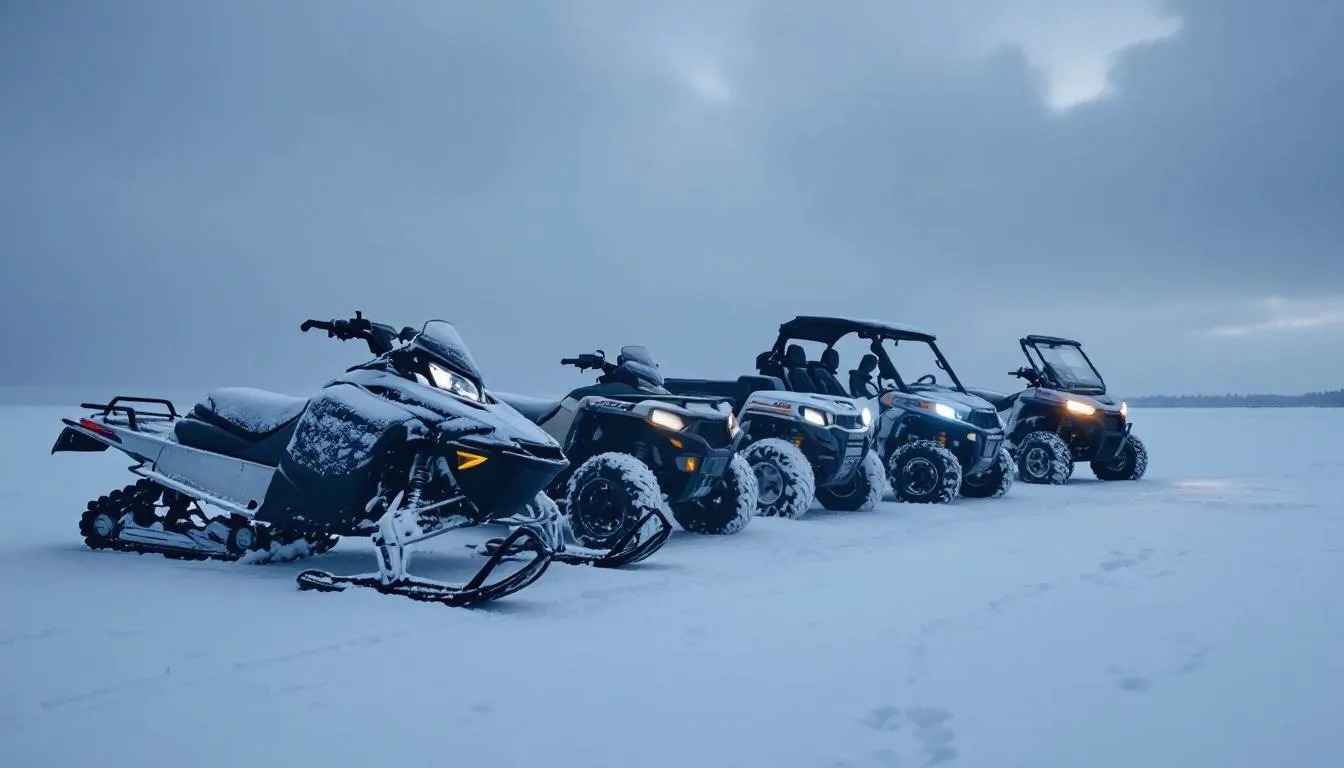
If you’ve ever walked out to the sled, ATV, side-by-side, or other vehicles on a freezing morning, turned the key… and got nothing, it’s easy to blame the battery.
Sometimes it is the battery. A lot of the time, it’s the conditions you put the battery in.
Cold exposes every weak link in the electrical system — low state of charge, parasitic draws, undersized batteries, bad storage habits. The good news? Most of it is fixable.
AGM powersports batteries make power through a chemical reaction, which generates the energy needed to start the vehicle. The battery supplies electricity to the starter motor, which then initiates the car's engine. In cold weather, the battery's ability to power the car's engine can be significantly reduced, making it harder to start.
Let’s break it down.
1. Cold slows the chemistry down
AGM powersports batteries make power through a chemical reaction. When it’s cold, that reaction slows down. Slower reaction = less current available to crank.
-
At room temp, your battery might deliver its full rated cold cranking amps (CCA), which is the key rating for a battery's ability to start a vehicle in cold weather.
-
At -20°C, it might only deliver a percentage of that CCA.
So if you were already near the edge (small battery, hard-to-start machine), the cold pushes you over.
Fix: start winter with a fully charged battery. Don’t roll into January already at 80%.
2. Sitting = self-discharge
Even a healthy AGM will slowly lose charge while it sits. Add in cold temps and electronic draws (ECU, winch controllers, accessories), and these features can drain the battery over time, especially in cold weather, causing it to drop below the level needed to crank.
This is where people say “your battery failed” — but when we test it in the shop after a charge, it’s fine.
Fix: park it → plug it in. A smart maintainer (like the BRS612) keeps the battery topped up without overcharging.
3. Parasitic draws quietly kill winter starts
Heated grips left connected, heated seats, radios, lights, GPS, aftermarket stuff — they all sip power when the machine is off.
In summer, you don’t notice. In winter, that little draw is the difference between “starts” and “click.”
Fix: before winter, pull the fuse or disconnect anything that doesn’t need to be live. Then use a pigtail so you can plug in the maintainer without taking panels off.
4. Undersized batteries struggle the most
A YTX20HL-BS class battery on a sled/ATV that’s actually set up for winter can handle a lot. A smaller, cheaper battery will look OK in the fall and let you down in the cold.
If your machine calls for YTX20HL-BS / 20L-BS, don’t drop down a size just to save a few bucks. Winter will find that out.
Fix: match the OEM code and the terminal orientation. Choosing the right battery is crucial for reliable winter performance and to avoid being stranded in cold conditions. If you’re not sure, ask us and we’ll confirm.
5. Not all “new” batteries are really ready
This is the part nobody tells customers: a battery can be “new” but not formed, not fully absorbed, or not at 12.6–12.8V when it ships. Even a new battery can have issues if it hasn't been properly charged or tested, which is common with imports or long-shelf batteries.
Then winter hits and… “this brand is junk.”
Fix: buy batteries that are actually charged, formed, and QC’d before they leave. That’s why we do the slow-charge, rest, and voltage check before shipping — so you’re starting from 100%, not 72%.
6. Storage habits matter more than brand
You can’t park a machine outside for 3–4 weeks in -25°C, with a small parasitic draw, and expect any AGM to act brand new.
That’s not a BRS thing. That’s a battery-chemistry-in-Canada thing. Car owners and powersports owners alike need to be mindful of proper storage habits to prevent battery problems.
Fix: winter storage checklist 👇
Battery types: which ones handle cold best?
Not all car batteries are built the same—especially when it comes to starting your vehicle in cold weather. The type of battery you choose can make a big difference in how reliably your engine turns over when the temperature drops.
Cold Cranking Amps (CCA) are the key number to watch. A higher CCA rating means your battery can deliver more power to the starter motor in cold temperatures, which is exactly what you need when winter hits.
Here’s how the main battery types stack up in extreme cold:
-
Lead Acid Batteries: The classic car battery is affordable and widely used, but standard lead acid batteries can struggle in freezing temperatures. Some are built with higher CCA ratings for better cold weather performance, so always check the specs before you buy.
-
AGM (Absorbent Glass Mat) Batteries: AGM batteries use a special glass mat to hold the electrolyte, making them more resistant to vibration and cold. They typically offer higher CCA than standard lead acid batteries, so they’re a smart upgrade for winter reliability.
-
Lithium Batteries: Modern lithium batteries are lighter than traditional options. We have found that in some cases lithium doesn't crank or re-charge in extremely cold weather. If you go with lithium just make sure you choose a lithium battery designed for the cold weather and is designed for automotive or powersports use.
-
Deep Cycle Batteries: These are built to provide steady power for accessories like heated seats and interior lights, rather than big bursts of energy for starting. While they can handle cold, they may not have the same starting punch as a high-CCA battery.

Signs your battery is about to let you down this winter
When the temperature drops and winter weather sets in, your car battery is under more stress than ever. Here’s how to spot a weak battery before you end up stranded with a dead car battery in the cold:
-
Slow crank: If your engine sounds sluggish or takes longer to turn over on those frosty mornings, it’s a classic sign your battery is struggling. Cold temperatures slow down the chemical reactions inside lead acid batteries, making it harder for your battery to generate enough power to start the engine.
-
Dim or flickering interior lights: Notice your dashboard or interior lights looking dimmer than usual? In cold conditions, a battery that’s losing its charge will often show up first in the form of weak lighting. This is a warning that your battery isn’t providing continual power as it should.
-
Corroded battery terminals: White or greenish buildup on your battery terminals can block the flow of electricity, especially in freezing temperatures. Corroded battery terminals make it even tougher for your battery to deliver power when you need it most. Clean them regularly to keep your battery in top shape.
-
Repeated short trips: Lots of quick drives in winter don’t give your battery enough time to recharge fully. Over time, this can leave you with a weak battery that’s more likely to fail when the cold hits.
-
Battery age: If your car battery is more than three years old, it’s a good practice to have it tested annually—especially before the winter months. Cold weather can shorten battery life, so don’t wait for a dead battery to find out it’s time for a new one.
-
Extreme cold or parking outdoors: When temperatures plunge, your battery can lose up to 60% of its cranking power. If you park outdoors or face regular wind chills, consider using a battery blanket or battery warmer, or keep your car in a garage to help your battery stay warm and ready.
-
Already had a dead battery: If you’ve needed a jump start or portable jump starter already this winter, take it as a sign your battery may be on its last legs. Don’t risk another no-start—replace it with a fully charged battery that’s ready for cold weather.
By watching for these warning signs and taking proactive steps—like keeping your battery terminals clean, avoiding repeated short trips, and storing your car in a garage—you can help ensure your battery generates electricity reliably all winter long. For extra peace of mind, consider a battery test before the coldest months hit, and keep a portable jump starter or battery warmer handy. A little preparation goes a long way toward keeping your car running strong, no matter how low the temperatures go.
Winter Storage Checklist (copy/paste this for your shop)
-
Fully charge battery before storage
-
Install eyelet/pigtail for quick plug-in
-
Plug into smart maintainer (0.8–1.5A is plenty)
-
Keep machine somewhere out of wind if possible
-
Start/run it periodically or just stay on maintainer
-
Check for accessories pulling power
-
Have your battery checked before long-term storage to ensure it’s in good condition.
Do that and even a standard AGM will live way longer than the “one winter and dead” batteries everyone complains about.
So… why do some batteries cost more?
Because some sellers just ship whatever the factory boxed.
We:
-
spec the battery to the powersports sizes people actually run (YTX20HL-BS, etc.)
-
form and charge before shipping
-
QC and test to 12.6–12.8V
These steps are especially important for lead acid technology batteries to ensure reliable performance and consistent cold weather cranking. -
tell you to use a maintainer (because that’s what actually makes it last)
-
back it with a real replacement process
That extra handling and real support is why a BRS battery can be a little more than a random battery — and why it’s the better choice in winter.
What to buy to “fix it”
If you want to stop winter no-starts, you don’t have to replace your whole electrical system. You need:
-
Correct battery (right YTX / 20L-BS class for your machine)
-
Smart maintainer (BRS612)
-
Eyelet/pigtail so you actually use the maintainer
-
(Optional) Terminal kit if your old hardware is corroded
If your battery still fails to start your vehicle, jump starting with jumper cables or a portable jump starter is a common solution.
That’s it.
TL;DR
-
Cold didn’t “break” your battery — it exposed low charge, draws, or undersizing.
-
Any AGM can struggle if it sits in the cold unmaintained.
-
The fix is boring: right size + charged + on a maintainer.
-
If you do that, you can get those 8–12 year lifespans we talk about.
-
Heat helps battery chemical reactions, so low temperatures can reduce battery performance and make starting harder.
-
In cold weather, engine oil thickens, making it harder for the engine to turn over and start.
👉 Keep it topped up: BRS612 Smart Charger / Maintainer

FAQ
1. Why won’t my battery start in the cold?
Cold slows the chemical reaction inside the battery and reduces available cranking power. Low temperatures make it harder for the starter motor to turn the car's engine, so starting can be difficult. If the battery was already partly discharged or the machine has a parasitic draw, cold will expose it.
2. Do AGM batteries work better in winter?
AGM handles vibration and cold better than flooded batteries, but it still needs to be fully charged. AGM + maintainer = best winter setup.
3. How do I keep my ATV/snowmobile battery from dying in winter?
Charge it fully before storage, install a pigtail, and leave it on a smart maintainer. Disconnect accessories that pull power while parked. It's important to keep both the battery and starter motor in good condition, as modern cars may have additional features that draw power even when parked.
4. Is my battery bad or just discharged?
If it sat in the cold for weeks, it might only be discharged. Using phone chargers and other accessories can drain the battery faster in cold weather. Charge it to 12.6–12.8V and retest before replacing.
5. What size battery do I need for winter?
Use the OEM size (e.g. YTX20HL-BS / BRS20HL-BS for many sleds/ATVs). Undersizing is a common reason winter starts fail. Choose a battery with the right cold cranking amps for your vehicle and climate.
6. What should I do if my battery is dead in freezing weather?
If your battery is dead in freezing weather, try jump starting your vehicle using jumper cables and a second vehicle or a portable jump starter. Getting the car started and the engine running will allow the alternator to recharge the battery. It's important to let the engine run for a while after starting.
7. What else affects starting reliability in winter?
Spark plugs and fuel lines play a key role in starting reliability. Worn spark plugs or frozen/contaminated fuel lines can prevent your engine from starting or running smoothly. Diesel fuel can thicken in cold weather, causing flow problems and making it harder to start diesel engines.
8. Is there anything else I should do before winter?
It's in the best interest of car owners to have their battery checked before winter to ensure reliable starting. Selecting the right battery for your cars and vehicles is crucial for winter performance.
9. What happens after I start my car?
Once you start your car, the alternator powers the vehicle's electrical system and recharges the battery.
TL;DR:
Keep your battery charged, use the right size and type, and maintain it with a smart charger. Heat helps battery chemical reactions, but low temperatures slow them down and reduce performance. Cold weather thickens engine oil, making it harder for the engine to turn over. Reliable starting in winter depends on a healthy battery, good spark plugs, clean fuel lines, and the right battery for your vehicle.